 Rahul Jethalal
 Mohini Yadav
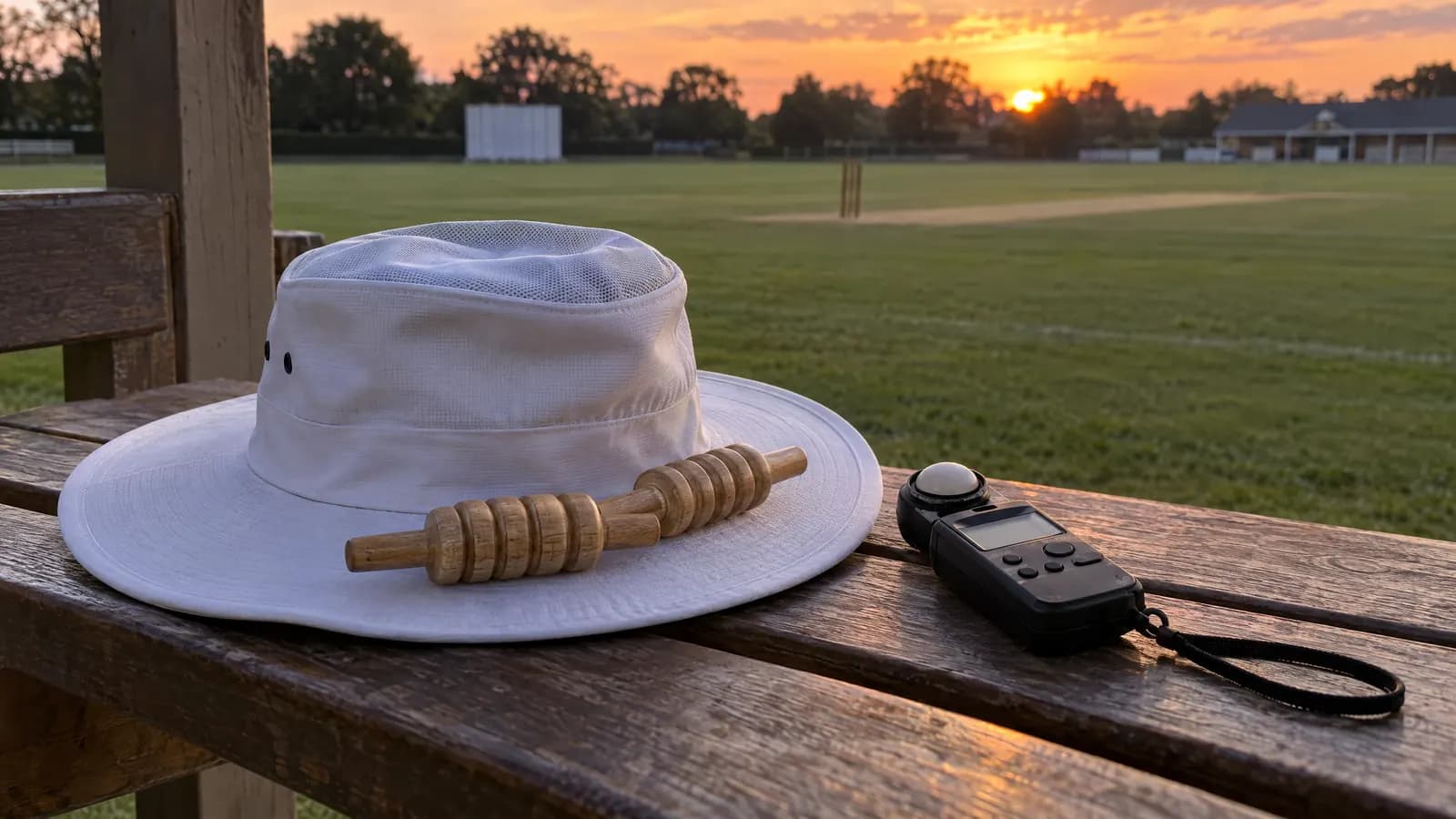
FairPlay settles a cricket market from the official result, including a Duckworth/Lewis/Stern (DLS) result or a result decided by a Super Over. If a match is abandoned or ends with no result, or the toss never takes place, FairPlay does not refund the stakes. The same settlement rule is shown on the bet slip before each bet, so read it, along with the Terms and FAQ, before deciding whether to place a bet.
Availability on fairsplays.co.in: real-money betting is not switched on at fairsplays.co.in at the moment, and nothing on this site takes a stake in rupees. Free Play uses virtual points only. This guide sets out the settlement rules FairPlay uses for cricket markets, so you know how an abandoned match, a no result, a tie or a Super Over is treated.
The short version
There are two different questions in an interrupted cricket match. First, what do the match officials record as the official outcome? Second, how does FairPlay apply its settlement rule to that outcome?
For a completed match, or one with an official result after an interruption, the official result is the reference point. In limited-overs cricket, DLS can set a revised target when weather or another interruption removes playing time. A match can also be tied at the end of its innings and then decided by a Super Over. FairPlay settles such markets on that official result.
A match that does not reach an official result is different. Under FairPlay's settlement rule, an abandoned match, a no-result match and a match whose toss never happens are not refunded. “No refund” here means the stake is not returned under this settlement rule.
What “no result” means in cricket
The exact minimum depends on the format and the competition’s playing conditions. In the current ICC Men’s One-Day International playing conditions, both teams normally need the opportunity to bat for at least 20 overs for a result, unless the side batting second wins earlier or a team is all out in fewer than 20 overs. If that minimum opportunity is not reached, the match is declared a No Result, subject to the playing conditions’ provisions for a match awarded after a refusal to play.
In the current ICC Men’s Twenty20 International playing conditions, the corresponding minimum is five overs for each side. Again, a result can be reached earlier if the chasing side gets enough runs to win or the team is all out in fewer than five overs. If neither team has the minimum five-over opportunity, the match is declared a No Result, subject to the stated exception for a match awarded after a refusal to play.
That is why a rain-shortened match is not automatically a no result. If enough play takes place, officials may be able to determine a winner using DLS. If the minimum is not reached and no other official result is available, the official record is No Result.
Abandoned match versus no result
These labels describe different parts of the match record, although they can be linked. An abandoned match is one in which play is called off before an official result is reached. A no result is the official outcome used when the relevant playing conditions’ result threshold is not met, unless another permitted result applies. A match may therefore be abandoned and recorded as a no result, but the labels should not be treated as interchangeable in every scorecard or competition.
For settlement, FairPlay’s rule is deliberately clear rather than dependent on trying to distinguish every cause of the interruption: if the match is abandoned or ends with no result, stakes are not refunded. The rule also covers a toss that never takes place. A toss market is not converted into a completed match result if the toss does not happen.
DLS: an official result still counts
DLS is the ICC method for recalculating the target for the team batting second when an interruption changes the available playing time. In the ICC T20I playing conditions, an interrupted match can have its overs reduced, with a minimum of five overs for the team batting second to constitute a match, subject to a result being achieved earlier. If the second innings is stopped after at least five overs and cannot resume, officials compare the score with the DLS par score. The team can therefore win, lose or finish tied under the official calculation.
The ODI playing conditions use the same broad structure with a 20-over minimum for the side batting second. The number is important: it is not a universal rule for every cricket format. It comes from the applicable competition and playing conditions.
For FairPlay, a DLS win or tie is an official result. The settlement follows that official result, rather than treating the interruption itself as a refund event.
Tie and Super Over rules
In ICC white-ball cricket, a tie is not always the final step. In the current ICC Men’s T20I playing conditions, if the teams’ scores are equal after both innings, including where DLS applies, a Super Over is played. Each side has the opportunity to score in that tie-break procedure, under the applicable playing conditions.
If the Super Over is tied, subsequent Super Overs are played until there is a winner, unless exceptional circumstances arise. The current ICC rule also says that if it is not possible to play or complete the Super Overs needed to determine a winner, the match is tied. That final point matters: a match can begin with a tie, move to a Super Over, and still be officially recorded as a tie if the tie-break cannot be completed.
FairPlay uses the official outcome at the end of that process. A winner produced by a completed Super Over, or by a subsequent Super Over, is settled as that official result. If the match is officially tied because the Super Over process cannot be completed, there is no winner, so no selection wins and stakes are not refunded. FairPlay does not treat an official tie as an abandoned or no-result match, and this rule is shown on the bet slip before you confirm a bet.
Situation-by-situation guide
| Situation | Official outcome | How FairPlay settles |
|---|---|---|
| Match reaches a normal result | One team wins under the applicable playing conditions | Settles on the official result |
| Interrupted match reaches a DLS result | DLS determines a win, loss or tie under the applicable conditions | Settles on that official result |
| Scores are level after the innings | A Super Over is played in the applicable ICC white-ball conditions | Settles on the official Super Over result if it produces a winner |
| Super Over is tied | Subsequent Super Overs are played until a winner, unless exceptional circumstances apply | Settles on the resulting official winner |
| Super Overs cannot be played or completed and no winner is possible | The match is tied under the current ICC T20I rule | No selection wins; stakes are not refunded |
| Match is abandoned | No official result is reached | Stakes are not refunded |
| Match ends with no result | The applicable playing conditions record No Result | Stakes are not refunded |
| Toss never takes place | No toss outcome exists | Stakes are not refunded |
Before placing a bet
The maximum stake is ₹1,000 per bet. The settlement rule is displayed on the bet slip before each bet. Check the wording there and read the FairPlay Terms and FAQ before betting. This article explains FairPlay's settlement rule; it is not a prediction, tip or encouragement to bet.
Sources
ICC Playing Conditions; ICC Men’s ODI Playing Conditions — October 2026; ICC Men’s T20I Playing Conditions — October 2026; ICC Duckworth/Lewis/Stern
This article was written by the FairPlay Editorial Desk with AI assistance, using the sources listed above. It was reviewed by Rahul Jethalal and Mohini Yadav of the FairPlay editorial team before publication. To report an error, see our Editorial Policy.