 Rahul Jethalal
 Mohini Yadav
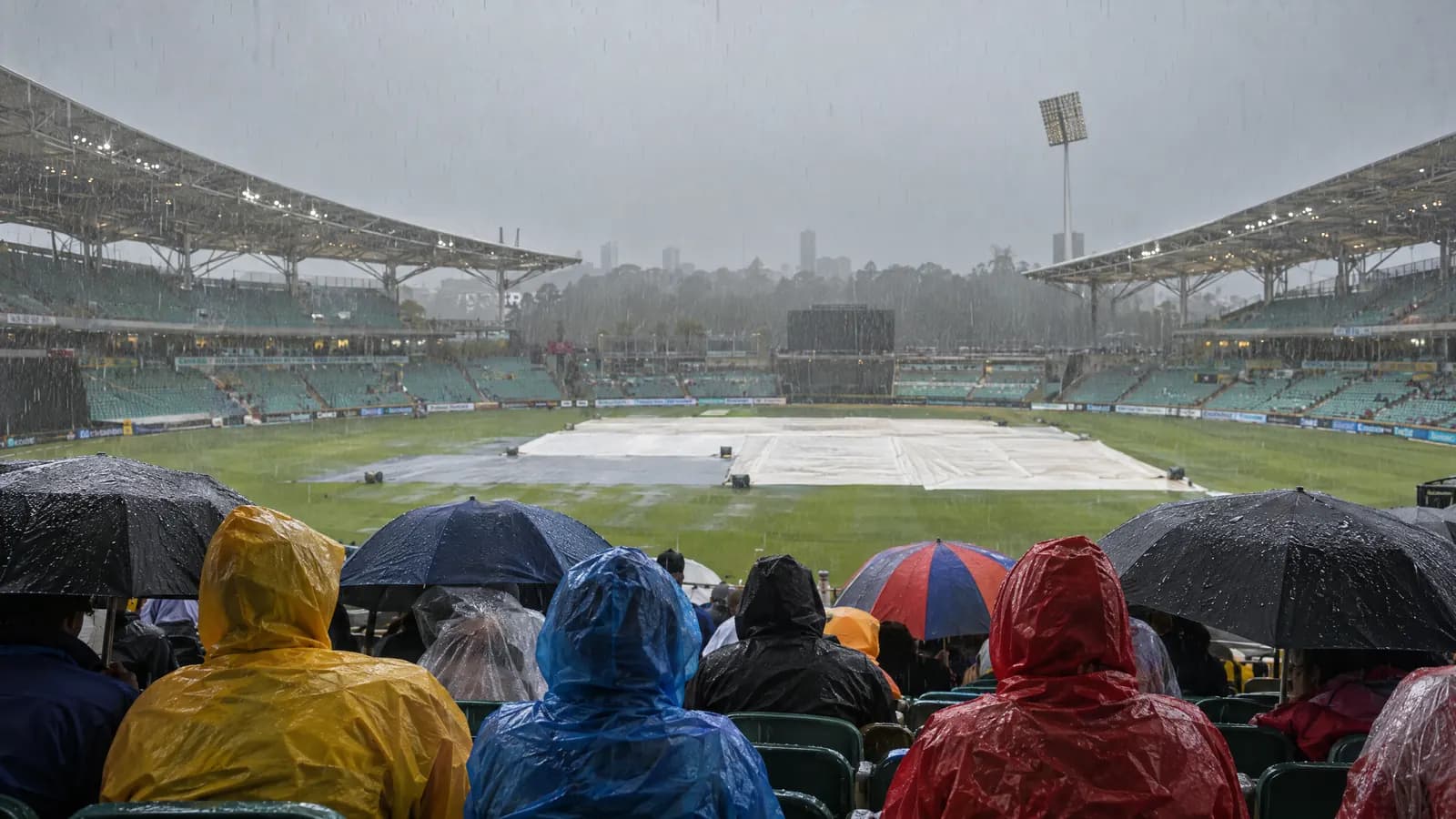
Cricket at the Aichi-Nagoya Asian Games ran from 17 September to 3 October 2026, with both the men’s and women’s events played as T20s at Korogi Athletic Park in Nisshin. India won both gold medals, but the men’s tournament became a talking point when rain abandoned all four quarter-finals and the seeded teams moved straight into the semi-finals.
The men’s event had two stages before the medals
The men’s competition had 10 teams, but all 10 did not begin at the same point. Six teams were placed in the group stage, split into Group A and Group B. The remaining four — India, Pakistan, Bangladesh and Sri Lanka — were seeded into the quarter-finals.
That setup created a simple route for each side:
- The six unseeded teams played for six quarter-final places.
- The four seeded teams joined the bracket in the last eight.
- The quarter-final winners went to the semi-finals.
- The semi-final winners played for gold; the losing teams had a bronze-medal match.
This is a useful distinction for fans. A seed is not the same as a match win. It is a ranking or tournament position used to place a team in the draw. In Aichi-Nagoya, it meant India, Pakistan, Bangladesh and Sri Lanka did not need to play the opening group matches.
The group stage still mattered. Afghanistan, Nepal, Japan, Hong Kong China, Malaysia and Oman competed for the other places, and the eventual quarter-final pairings were Pakistan versus Hong Kong China, India versus Afghanistan, Sri Lanka versus Nepal, and Bangladesh versus Malaysia.
What does a rain-abandoned match normally mean?
If rain prevents a T20 from reaching a result, the scorecard may show “abandoned” or “no result”. That is different from a team being bowled out or losing a completed chase. There may be no winner on the field, no points earned through a normal victory and no score to use for a standard T20 calculation.
For a knockout match, though, the organisers still need a team to occupy the next place in the bracket. A tournament’s playing conditions can set a reserve outcome for that situation. The reserve outcome is the pre-written fallback: if the match cannot produce a result, the side with the relevant seeding or ranking advances.
That is what happened in the men’s quarter-finals. It was not a decision based on a shortened chase, and it was not a Duckworth-Lewis-Stern calculation. No ball was bowled in any of the four last-eight matches. The higher-seeded team in each pairing progressed under the competition arrangement.

Why all four quarter-finals were abandoned
The first two men’s quarter-finals were scheduled for 28 September: Pakistan versus Hong Kong China and India versus Afghanistan. Persistent rain and the wet ground meant neither match could start. The next day brought the same outcome for Sri Lanka versus Nepal and Bangladesh versus Malaysia.
So the bracket moved on without a completed quarter-final innings. Pakistan, India, Sri Lanka and Bangladesh advanced as the seeded sides. This can look strange if you are used to a league table where a no-result simply adds a point to each team, but a knockout needs a route forward. The reserve clause supplied that route and kept the semi-finals on the published 1 October schedule.
For India, it also meant the semi-final against Sri Lanka was their first completed match of the tournament. India made 169/7, then bowled Sri Lanka out for 45 in 9.5 overs to win by 124 runs. Pakistan beat Bangladesh by six wickets in the other semi-final, setting up the final most fans expected once the draw was announced.
The knockout bracket, in plain language
| Stage | Match or outcome | What it meant |
|---|---|---|
| Group stage | Six teams competed in Groups A and B | Six quarter-final places were filled |
| Quarter-finals, 28–29 September | All four matches abandoned without a ball | Seeded teams advanced under the reserve outcome |
| Semi-finals, 1 October | Pakistan beat Bangladesh; India beat Sri Lanka | India and Pakistan reached the final |
| Bronze match, 3 October | Sri Lanka beat Bangladesh by 63 runs | Sri Lanka won men’s bronze |
| Final, 3 October | India beat Pakistan by 19 runs | India won men’s gold; Pakistan took silver |
The final showed why a rain-hit route can still produce a full contest at the end. India scored 211/6 in 20 overs, and Pakistan replied with 192/6. The 19-run margin gave India a second straight Asian Games men’s title, while Sri Lanka’s bronze completed the men’s medal table.
Fans checking the live scores or the cricket hub should therefore read the status carefully. “Abandoned” describes what happened in that match; it does not always mean the entire tournament has stopped. In this competition, the next stage was decided by the published knockout conditions.
The women’s tournament used a different format
The women’s event had eight teams and began with a straight knockout quarter-final round. There was no men’s-style group stage feeding into the last eight. That made the women’s path shorter and easier to map: quarter-finals, semi-finals, bronze-medal match and gold-medal match.
The women’s quarter-final pairing of Bangladesh and the People’s Republic of China was abandoned, with Bangladesh progressing by virtue of the higher seeding. The other matches produced on-field winners, including India’s win over Japan and Sri Lanka’s victory over Malaysia. India then beat Bangladesh in the semi-final and Sri Lanka in the gold-medal match.
The final medal picture was India with both golds, Pakistan with men’s silver and women’s bronze, Sri Lanka with men’s bronze and women’s silver. Those results underline the format lesson: the men’s and women’s competitions were both T20 events, but their tournament structures were not identical.
Three things to remember when a knockout is washed out
First, check the playing conditions before assuming that a replay or a coin toss will decide the next team. A tournament can use seeding, ranking or another stated reserve method.
Second, separate a match status from a progression decision. A scorecard can say “abandoned” while the competition record still shows one team advancing to the next round.
Third, look at the bracket, not just the individual fixture. A rain interruption may remove the on-field contest but leave the published semi-final and final schedule intact. FairPlay’s results page and news section are useful places to follow that wider tournament picture.
Aichi-Nagoya 2026 offered a clear example. The weather took away four men’s quarter-final matches, but the seeded draw and its reserve outcome gave the event a workable path to the semi-finals. India and Pakistan then settled the gold medal with bat and ball, which is how a complicated tournament format finally became easy to explain.
Sources: Olympics.com: Asian Games 2026 cricket scores, match results and medal winners · ESPNcricinfo: Asian Games Men’s Cricket Competition 2026 fixtures and results · Aichi-Nagoya 2026: Cricket
This piece was written by the FairPlay Editorial Desk with AI assistance, using the published sources above. It was reviewed by Rahul Jethalal and Mohini Yadav of the FairPlay editorial team before publication. To report an error, see our Editorial Policy.